Grants and Funding for Church Playgrounds
Why most government grants are closed to churches, why a church-run licensed preschool is the strongest path, and which funders accept churches.
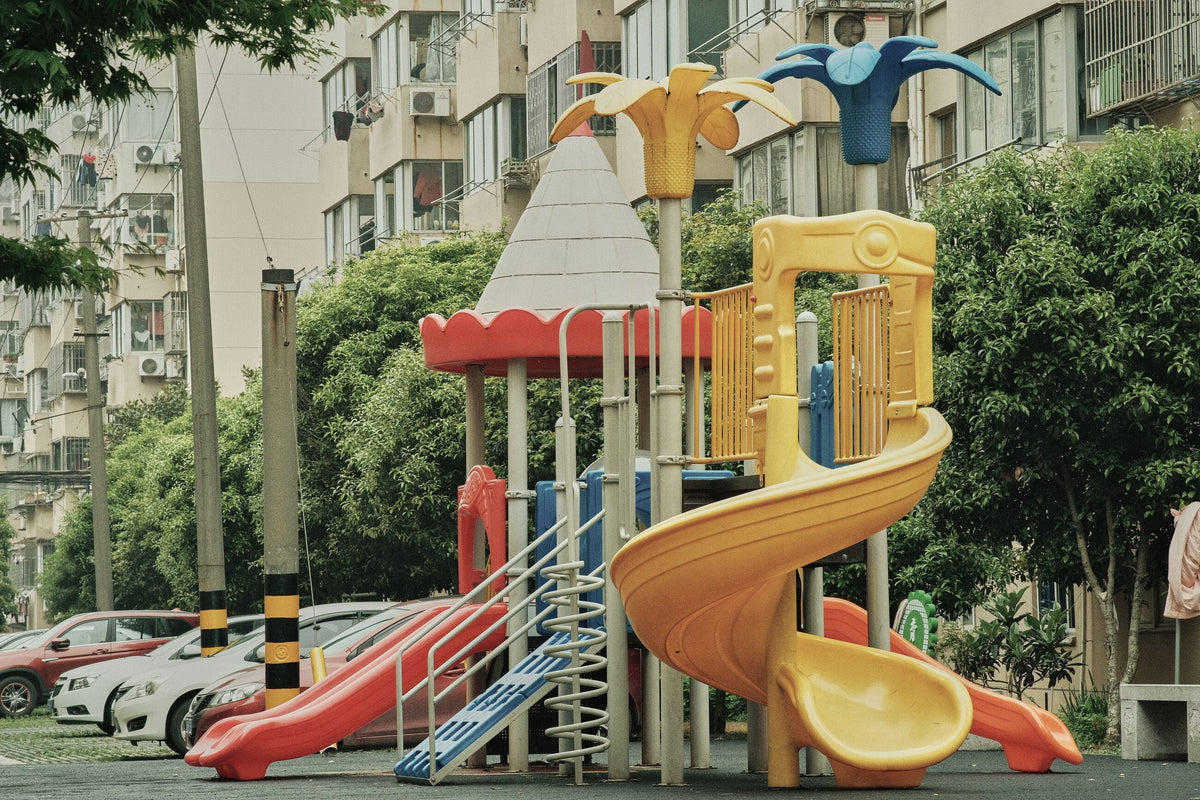
Church playground grants exist, but they rarely come from the government, because public funding for church property is restricted by law. The realistic paths are a church-run licensed preschool or daycare applying in its own right, community foundations and corporate programs that fund projects open to the whole neighborhood, denominational capital funds, civic clubs, and the congregation's own capital campaign. This guide covers each one in order of how realistic it is.
TL;DR
- A church cannot apply for the Land and Water Conservation Fund. Its state assistance grants go only to state, local and tribal governments.
- If your church runs a licensed preschool or daycare, state childcare facility grants are the strongest path, because eligibility is based on licensing, not religious affiliation.
- Lowe's Hometowns does not exclude churches, but the project must be sponsored by a 501(c)(3) and benefit the whole community, not only the congregation.
- Community foundations will often fund a church playground only if it is open to the public and the project is non-sectarian.
- Most church playgrounds are still paid for mainly by the congregation. A $40,000 project across 120 households is about $28 per household per month for a year.
Can a church get a grant for a playground?
A church can get a grant for a playground, but almost never a government grant made to the church itself. Federal and state recreation programs are written to avoid funding religious property or activity, so the money that works for a school or a town mostly does not work here.
- Land and Water Conservation Fund: closed to churches. Its state and local assistance grants go to state, local and tribal governments only, and private nonprofits of any kind cannot apply.
- Community Development Block Grants: a narrow maybe. HUD guidance says CDBG funds may not be used for structures used for religious purposes, though a secular entity established by a religious organization can be eligible. The money flows through your city or town's CDBG program, which may not fund playgrounds at all.
- USDA Rural Development Community Facilities: religious organizations are eligible on the same basis as other private nonprofits, but funds cannot support inherently religious activities, and grants are limited to small rural communities. Call your state USDA office before counting on it.
None of this means your church cannot get help. It means the help comes from different places.

| Funding path | Can a church use it? | What to know |
|---|---|---|
| Land and Water Conservation Fund | No | Government applicants only |
| Licensed preschool or daycare facility grants | Yes, through the licensed program | The strongest path where it exists |
| Lowe's Hometowns | Yes | Project must benefit the whole community |
| Community foundation | Often | Project must be non-sectarian and public |
| Denominational capital funds | Yes | Regional, modest, ask your own body |
| Civic clubs and Thrivent Action Teams | Yes, through a member | Small, best for a fundraiser or one component |
| Congregation capital campaign | Yes | Usually the largest share |
Can a church preschool or daycare get playground funding?
Yes. A licensed preschool or daycare run by a church can often get facility funding the church itself cannot, because state childcare grants are written around licensing status, not the religious identity of the operator.
This is the most useful and least obvious finding in church playground funding. The licensed program applies as a childcare provider, under its own license, for improvements that serve enrolled children.
- Connecticut: the Office of Early Childhood lists an open request for applications for capital improvements for licensed centers, group homes and family child care homes, with up to $3 million available. The page does not name playgrounds as an eligible cost, so ask OEC directly whether outdoor play space qualifies.
- New Jersey: the Child Care Facilities Improvement Program lists age-appropriate outdoor play equipment, shade structures and outdoor furniture as eligible exterior projects, for projects between $50,000 and $200,000. Check whether a round is currently open.
In other states, check the agency that licenses childcare. Keep the preschool's budget, license number and enrollment separate from the church's in the application. If your congregation is planning equipment for a preschool, the preschool playground equipment page shows what fits ages 2 to 5.

Which church playground grants accept religious organizations?
The church playground grants that accept religious organizations are mainly corporate and community programs that judge the project, not the applicant, and they almost always require the playground to serve the public.
Lowe's Hometowns
Lowe's Hometowns requires that a project be sponsored by a 501(c)(3) nonprofit or a government entity and benefit the community as a whole, and its 2026 terms do not exclude religious organizations. Projects must physically improve a community space within 30 miles of a Lowe's store, and anyone 21 or older can nominate one. The 2026 window ran February 18 to March 20, 2026, so plan for next year's.
Community foundations
Many community foundations will not fund religious activities but will consider a specific project at a religious organization when it is non-sectarian and benefits the wider community. For a playground, that means open hours for neighborhood families, no religious content built into the equipment, and a clear statement of who outside the congregation will use it. Terms vary by foundation, so call yours before applying.
AAD Shade Structure Grant
The American Academy of Dermatology Shade Structure Grant funds up to $8,000 for a shade structure for 501(c)(3) organizations serving children 18 and under. The program does not address religious organizations directly, so a church preschool or youth program should confirm eligibility by email first. It also requires a sun-safety program running for at least a year and a letter from an AAD member dermatologist. Applications for 2027 open in the fall.
Do denominations offer playground grants?
Many denominations offer capital assistance that can cover a playground, but it is run by the diocese, conference, presbytery, district or state convention, not nationally. There is no single national application, and what exists in one diocese may not exist next door.
These funds are usually modest, often a few thousand dollars, and some list playgrounds by name while others cover general facility improvements. Call your regional office and ask three questions: what capital or facilities assistance exists, whether outdoor play spaces qualify, and when the next deadline is. Some regional bodies also offer low-interest loans for capital projects, which can bridge a campaign.
Can civic clubs and Thrivent help fund a church playground?
Yes, but both work through a member, and both are better for one piece of the project than the whole thing.
- Kiwanis, Lions and Rotary: local clubs fund or co-sponsor community play projects, and Kiwanis clubs can enter the annual Legacy of Play contest, which awards $25,000 in playground equipment to one club each year. A club member has to bring the project forward, and a playground open to the public is much easier to sponsor.
- Thrivent Action Teams: a Thrivent Action Team provides up to $250 in seed money for a volunteer-led fundraiser, educational event or service project. The leader must be a Thrivent member and take part personally. Use it to launch a fundraising event, not to buy equipment.
Donor-advised fund sponsors such as the National Christian Foundation are not grant programs a church applies to. Individual donors direct grants from their own funds, so the right ask is to the donor, not the sponsor.
How do most churches pay for a playground?
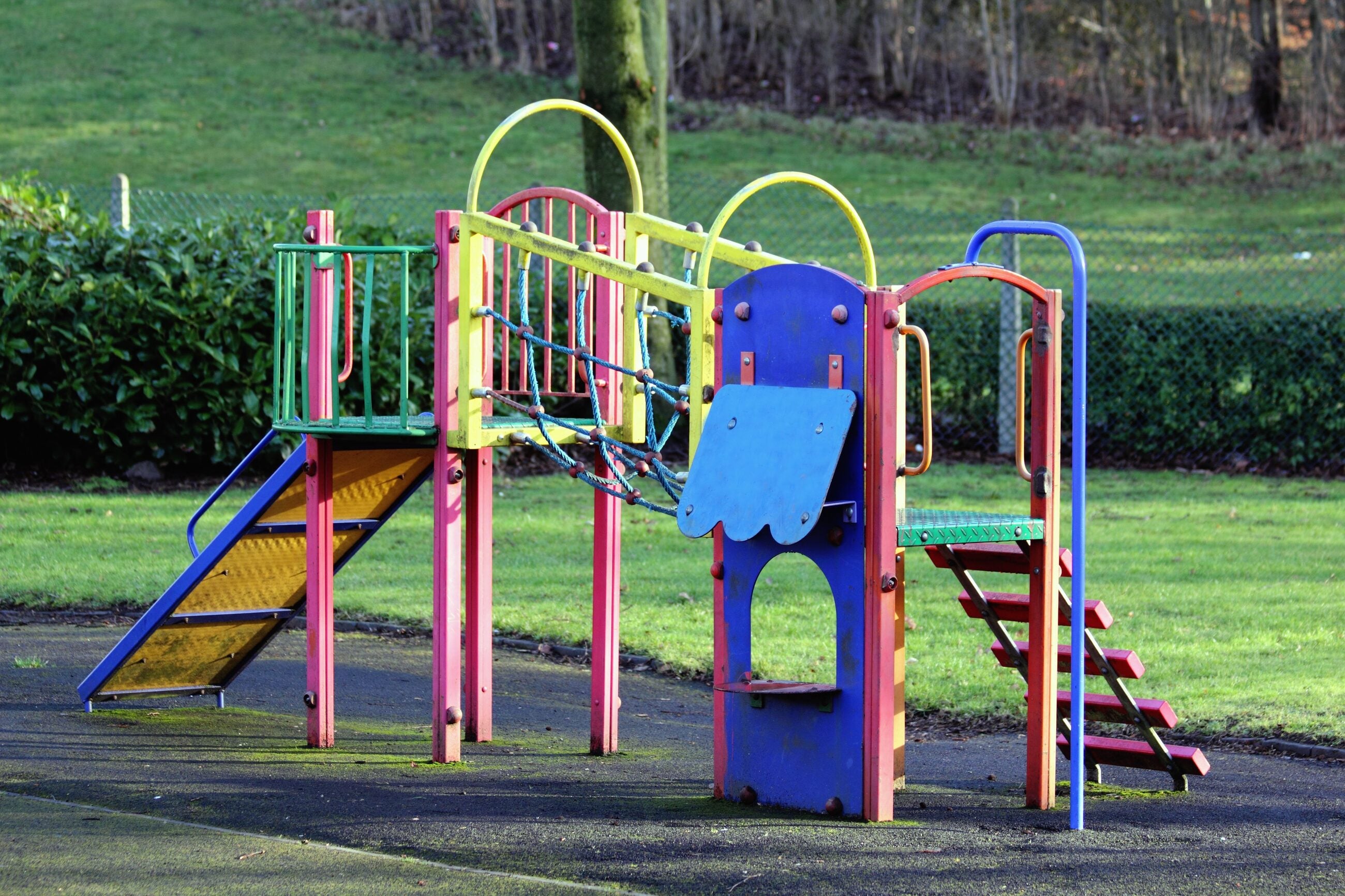
Most churches pay for a playground mainly through a congregation capital campaign, with grants filling specific gaps. Planning it that way from the start is more realistic than waiting on outside money.
Run the math first
A small church playground typically costs $25,000 to $60,000 installed. On a $40,000 project with 120 giving households, the average gift is about $333, or roughly $28 a month over 12 months. Breaking the number down that way makes it feel achievable from the pulpit and in the bulletin.
Campaign ideas that work for churches
- Memorial and honor gifts. A bench, swing bay or shade structure named for a member. These are often the first gifts to come in.
- A designated giving line. Let members give to the playground fund separately from the general budget.
- Phasing. Install the play structure and surfacing now, then add swings, shade and benches as gifts arrive.
- In-kind work. Members in the trades can often handle site cleanup, border installation and spreading loose-fill surfacing. Leave footings and assembly to a trained installer to protect the warranty.
Our guide to how much a commercial playground costs has a worked preschool budget you can adapt for the campaign case.
Should a church playground be open to the public?
A church playground does not have to be open to the public, but opening it widens your funding options considerably, because most outside funders require public benefit.
Before deciding, talk to your insurance carrier about coverage for community use, set posted hours and supervision rules, and plan regular inspections. Use commercial equipment built to ASTM F1487 and surfacing tested to ASTM F1292 for your fall height, and follow the CPSC Public Playground Safety Handbook. Our playground inspection and maintenance guide covers what a written plan should include.
What to do this week
- Confirm whether your church runs a licensed preschool or daycare, and check your state childcare licensing agency for facility grants.
- Call your diocese, conference, district or state convention office and ask what capital assistance exists.
- Ask your community foundation what it would take for a public, non-sectarian playground to qualify.
- Decide whether the playground will be open to the neighborhood, and talk to your insurer.
- Get a written all-in quote so every conversation starts from a real number.
Frequently asked questions
Can our church apply for government playground grants?
Generally no. The Land and Water Conservation Fund accepts only government applicants, and most state recreation grants work the same way. CDBG funds cannot go toward structures used for religious purposes. The most realistic public money is a state childcare facility grant applied for by a licensed preschool or daycare your church runs, under its own license as a childcare provider.
Can a church-run preschool get playground funding when the church cannot?
Often, yes. State childcare facility grants are usually based on licensing status rather than the religious identity of the operator, so a licensed program can apply as a provider. New Jersey's program lists outdoor play equipment as eligible, and Connecticut's Office of Early Childhood has an open capital improvement request for licensed programs. Confirm playground costs qualify before applying.
Will a community foundation fund a playground used only by church members?
Usually not. Community foundations that fund projects at religious organizations generally require that the project be non-sectarian and benefit the wider community. A playground open to neighborhood families during posted hours, without religious content built into the equipment, is a much stronger application. State that public access clearly and early in the proposal.
What playground equipment do churches usually buy?
Most churches buy a preschool structure for ages 2 to 5 for their nursery or preschool, sometimes paired with a separate ages 5 to 12 structure for Sunday school and community use. Swings, shade and benches for parents are common additions. Low deck heights keep fall height down, which reduces surfacing depth and cost.
Do we need insurance approval before building a church playground?
You should involve your insurance carrier before you buy. Carriers may ask about equipment standards such as ASTM F1487, surfacing depth, inspection frequency, supervision and whether the public can use the space. Getting their requirements first avoids buying equipment or surfacing that your policy will not cover, and an inspection plan often helps with grant applications too.
How long does it take a church to fund and build a playground?
Most church playgrounds take 9 to 18 months from first quote to installation. A capital campaign usually runs 6 to 12 months, regional and foundation grants follow annual cycles, and equipment takes 6 to 14 weeks to manufacture once ordered. Starting with a written quote lets you set a campaign goal right away.
Get started
See what congregations usually buy on the church playground equipment page, and read our guide to grants for playground equipment for how to write the application itself. If your church also runs a private school, our school playground grants guide shows which school programs private schools can use. When you are ready for a number, request an all-in quote with your site details.
- CPSC Public Playground Safety Handbook, Publication 325
- United States Access Board, guide to the play areas requirements
- ASTM F1487, safety performance specification for playground equipment
- IPEMA product certification register
Cost figures are PlayGrove planning estimates based on current manufacturer pricing and installed project costs in the United States. They are budgeting ranges, not quotes. Standards are revised periodically, so check the current revision before specifying.
Turn this into a number you can take to a board
Send the dimensions, the age ranges and the ZIP code. You get one firm all-in proposal covering equipment, freight, surfacing and installation, written to be read by people who were not in the meeting.
A quote costs nothing and commits you to nothing. If you are early and just need a credible number for a grant application, that is a perfectly good reason to ask.